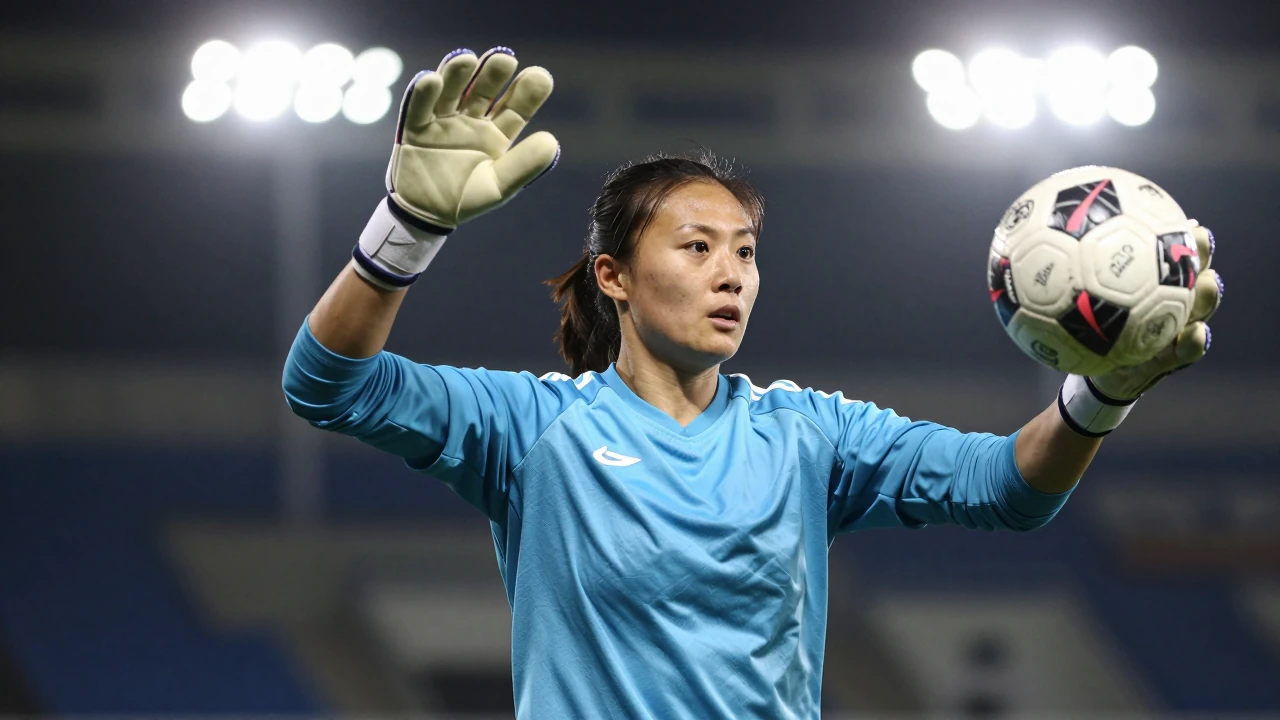

Former Manchester City Women manager Nick Cushing has weighed in on the debate comparing the competitiveness of England's Women's Super League and the American NWSL. In an interview with The Athletic this week, Cushing outlined the distinct strengths of each league, framing a discussion relevant to the reigning WSL champions as they prepare for their title defence.
Cushing, who now coaches NWSL side Denver Summit, stressed the WSL's advantage lies with its elite clubs. "If you are Manchester City head coach, you have 26 of the best players in the world," he said. This concentration of talent at the top allows for a highly detailed, possession-based collective game. City's dominance was clear in the final 2025 WSL table, where they finished first with 55 points from 22 games, scoring 62 goals and conceding only 19. They ended the campaign four points clear of Arsenal W, with a recent form of WWLWW.
The core difference, according to Cushing and data from sports intelligence firm Twenty First Group, is distribution of quality. The WSL features a handful of supremely strong teams, with Arsenal, Chelsea, Manchester City and Manchester United rated above every NWSL club in their model. The NWSL's 2025 champions, Gotham FC, ranked only 10th globally in the same assessment. However, the American league's strength is its remarkable depth and lack of a weak underbelly.
"The NWSL is top to bottom more competitive than the WSL," said current Manchester City midfielder Sam Coffey, who joined from Portland Thorns in January. She noted the daily grind in the NWSL, where any team can win on any day. In the WSL, the most challenging fixtures consistently come against the established top sides. This structural contrast influences objectives; WSL teams fight for the title, Champions League qualification, or to avoid relegation, while NWSL sides aim for a top-eight playoff spot.
Different frameworks build distinct styles. The WSL's softer financial regulations enable top teams to build squads with extraordinary technical and tactical quality, help a possession-dominant approach. Cushing noted that Chelsea, Arsenal, and Manchester City often create goals with detailed passing sequences of five to eight passes.
Conversely, the NWSL's hard salary cap enforces parity and spreads elite talent more thinly across the league. This leads to a more physical, transitional style. "Everybody attacks everybody," Cushing observed. "No teams sit low." The play-to-win mentality, devoid of relegation fear, creates a uniquely aggressive environment where even bottom-placed teams expect victory.
Player transfers between the two leagues are increasing, driven by various factors including competitive challenges, playing time, and exposure. Since the summer of 2015, the NWSL has recruited more players from the WSL than vice versa, according to Twenty First Group data. Recent moves include England youth internationals Anouk Denton and Keira Barry signing for Bay FC, while North Carolina Courage secured Erica Meg Parkinson.
Players like USWNT forward Alyssa Thompson have moved to the WSL seeking Champions League football to prepare for international tournaments, while England's Esme Morgan switched from Manchester City to Washington Spirit in 2024 for more game time. The introduction of the NWSL's High Impact Player rule in December 2025, allowing clubs to exceed the salary cap, is one measure aimed at retaining top talent. As the new WSL season approaches, Manchester City Women will build their campaign around their world-class squad, details of which are available on the club's squad page.